


In times of COVID-19, the use of disinfectants is an important part of prevention measures to contain the spread of the coronavirus.
Cleaning visibly dirty surfaces and then disinfecting them is the best measure to prevent COVID-19 and other viral respiratory diseases, according to the U.S. Centers for Disease Control and Prevention (CDC).
Which products work best for disinfecting?
Soap and water
According to Omar Carrasco, from the School of Medicine of the National Autonomous University of Mexico (UNAM), viruses like COVID-19 need a cell to become active because they are not biologically alive.
To prevent the virus from activating and becoming infectious, Carrasco states that the best option is to use soap and water, as the coronavirus is enveloped by lipids; that is, fat, which can be disintegrated with the use of soap.
"Inactivating viruses is very easy; in the case of COVID-19, it has an envelope with fat, which is a lipid layer, and this fat is very easy to dissolve with soap and water." Doctor Omar Carrasco, School of Medicine, UNAM.
Chlorine with water
Chlorine is one of the most effective disinfectant agents against viruses and bacteria; however, Carlos Rius, from the School of Chemistry at UNAM, recommends proper use of this product to ensure its effectiveness and reduce risks.
To achieve good disinfection, it is recommended to dilute 20 milliliters of chlorine per liter of water and not add other cleaning products.
It is suggested not to mix chlorine with vinegar, lemon, alcohol, hydrogen peroxide, or ammonia, as these combinations could be toxic and dangerous to people's health.
Alcohol with more than 70° concentration
Disinfectants or alcohol with a concentration of more than 70° are more effective in eliminating pathogens such as COVID-19.
"Whatever you use—soap and water, 70% alcohol, any preparation that breaks the membrane of this virus is enough to inactivate it, which is why we call for constant hand washing." Doctor Omar Carrasco, School of Medicine, UNAM.

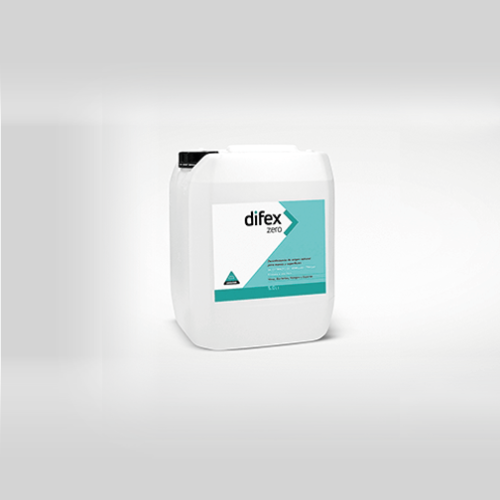
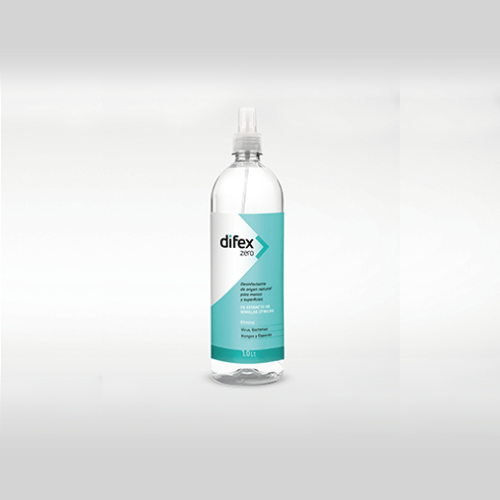
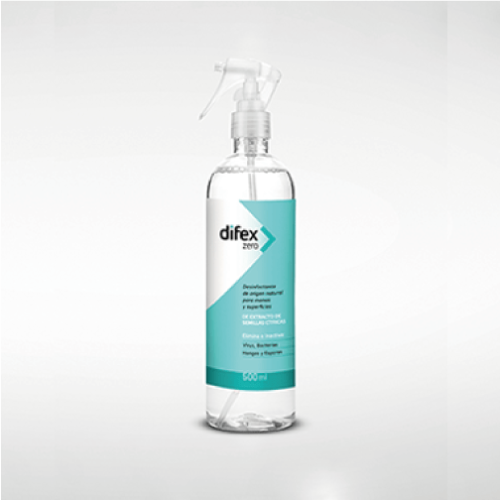
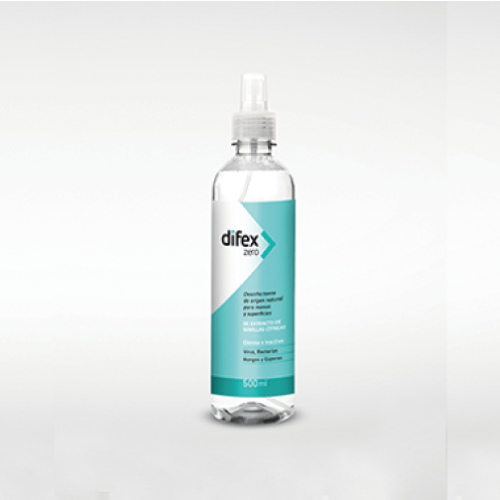
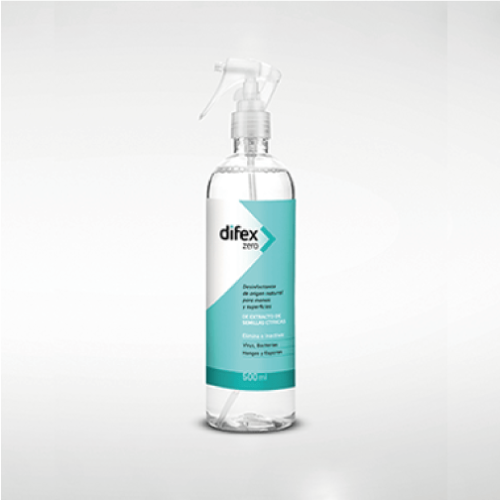
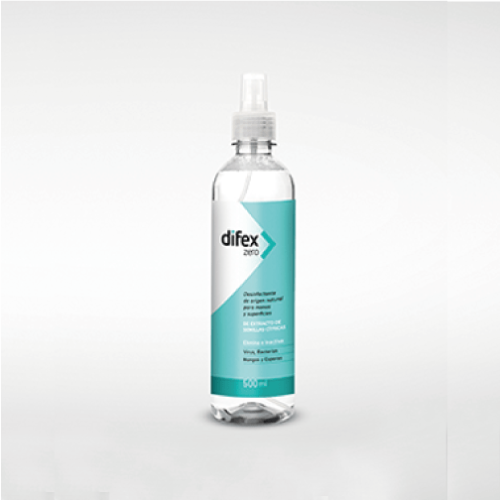
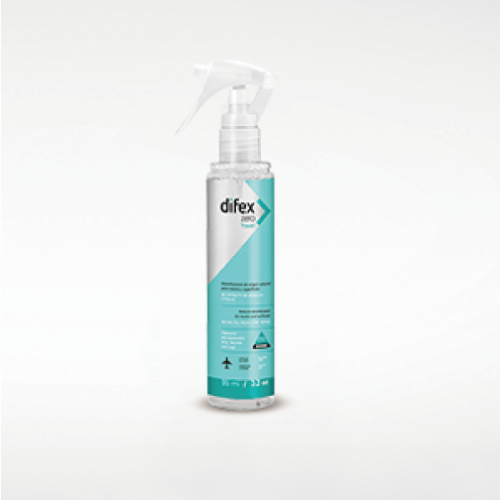
Why is it important to disinfect surfaces and other preventive cleaning measures?
The UNAM academic mentions that in the specific case of the SARS-CoV-2 coronavirus, it can remain active for up to 48 hours on some surfaces.
Therefore, it is extremely important to clean and disinfect common areas and items such as tables, doorknobs, light switches, desks, toilets, faucets, telephones, sinks, and electronic devices, with the intention of preventing COVID-19 and other viral respiratory diseases, suggest the CDC.
Likewise, the layer of fat covering the coronavirus allows it to adhere to human skin, so a good hand wash with soap and water for 20 seconds will completely inactivate and dislodge the virus, preventing coronavirus infection and other diseases.
“If you put a little soap on a drop of grease, you can perfectly see that it moves, that it is interrupted, so that is what we are looking for, with water and soap all the fat compounds that the virus envelope has are broken down and the virus is inactivated and then it can no longer be infectious, and that is the idea.” Dr. Omar Carrasco, Faculty of Medicine, UNAM
What products are not useful for disinfecting?
Among the misinformation circulating, mainly on social media, regarding remedies for disinfecting surfaces and hands to avoid the coronavirus, is the use of elements such as lemon, vinegar, and fabric softener.
However, the Faculty of Medicine specialist states that this is not true, as viruses cannot be killed since they are not biologically alive, and they cannot be deactivated as the composition of these products does not have the ability to disintegrate the lipid or fat layer that envelops COVID-19.
"This combination of fabric softener with something else that kills the virus is inaccurate because viruses are not alive." Dr. Omar Carrasco, Faculty of Medicine at UNAM.
For this reason, authorities from the Ministry of Health (SSa) call on people not to believe myths and fake news about how to prevent or cure the coronavirus.
